.svg)


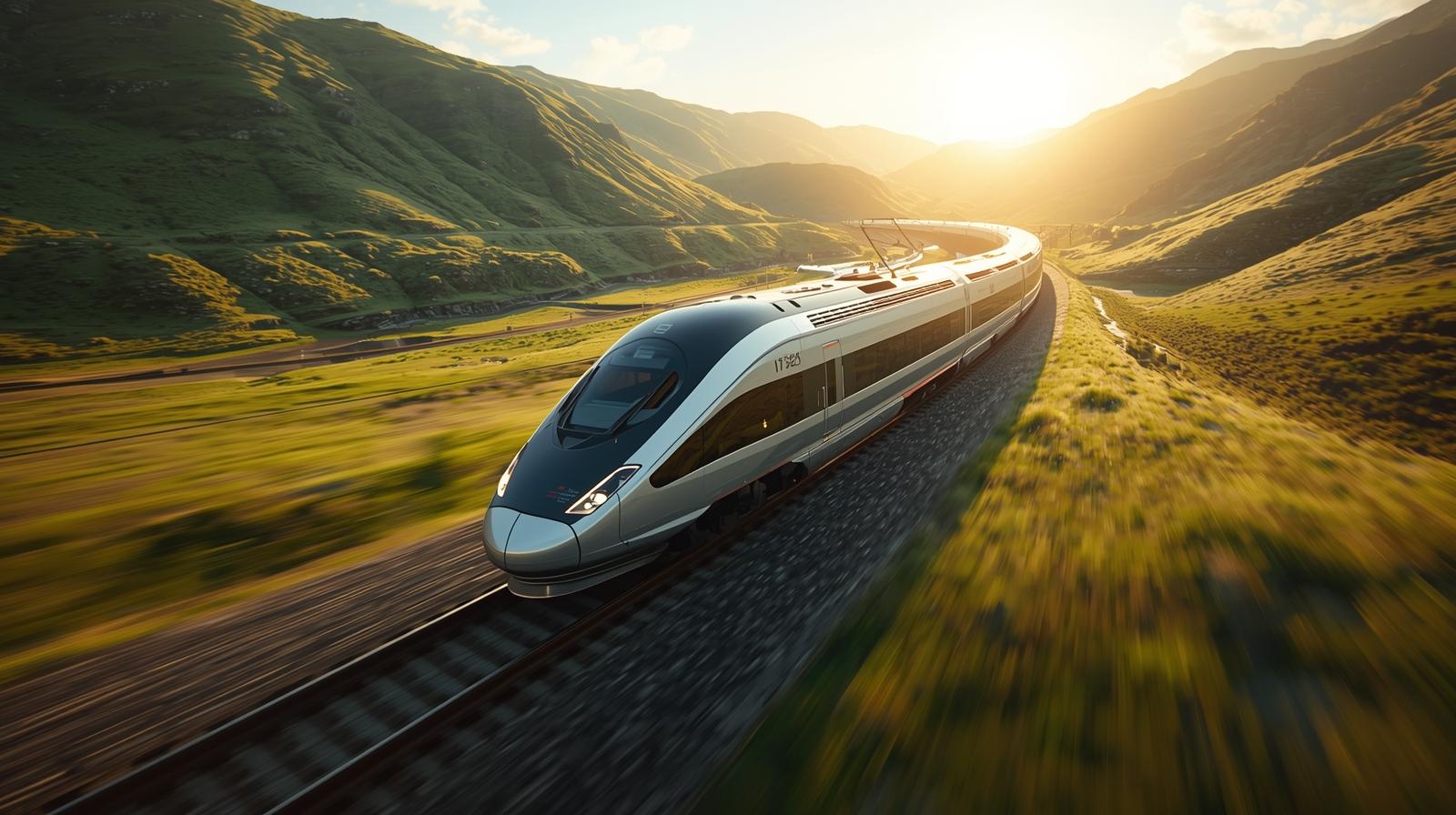
When technology takes care of every journey
Have you ever travelled at 300 km/h in a TGV? Behind this comfortable experience, a state-of-the-art European rail safety system takes care of every journey.
At MASTERIS, we support our customers in mastering this critical technology, promoting the efficiency, reliability and interoperability of modern trains.
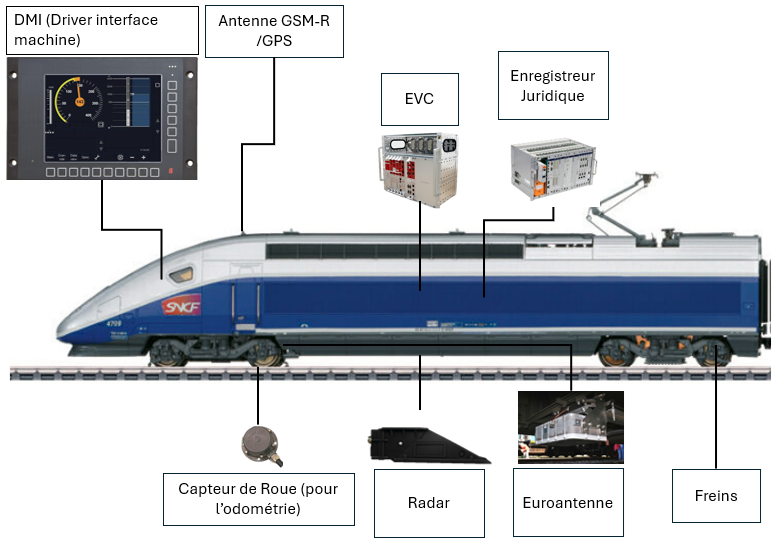
The Safety Equipment (EQS) of the ERTMS (European Rail Traffic Management System) system guarantees the safety of passengers and personnel, from emergency braking to the exact location by satellite.
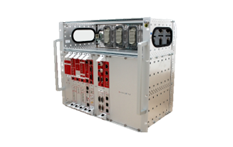
The EVC: the digital brain of the train
The EVC (European Vehicle Computer) centralizes all information from train sensors: odometry, radar, inertial unit (IMU), DMI data and beacon information.
It analyzes the train situation in real time and triggers the necessary actions: braking, speed regulation or communication with the ground.
Thanks to the EVC, the train can anticipate risks and guarantee safety, even in the most complex situations.
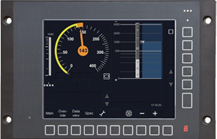
DMI: the interface between the driver and the train
The DMI (Driver Machine Interface) is the main driver screen, displaying:
- Speed and driving mode
- Security alerts
- Signal information and movement orders
It allows the driver to interact with the system intuitively, strengthening human-machine cooperation and overall train safety.
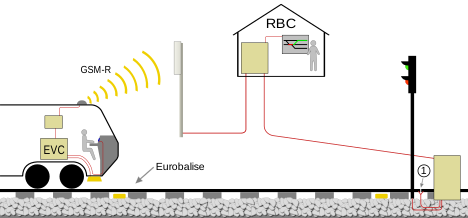
Euroantenne and Euro: the ground-to-board dialogue
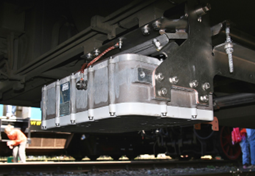
The Euroantenna, placed under the train, receives information from Eurotags installed along the track.
These exchanges ensure that the train always knows its exact position and the authority of movement, regardless of the country crossed.
Odometry, radar and IMU: know exactly where the train is
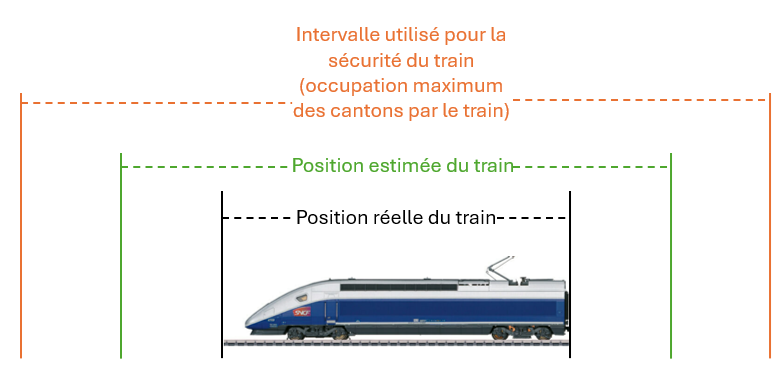
To calculate the position of a high-speed train, three technologies are combined:
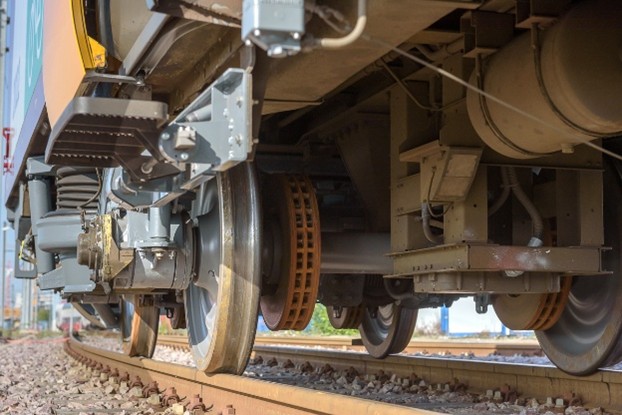
- Odometry: calculates the distance traveled thanks to the rotations of the wheels
- Doppler radar: measures the speed exactly and is not influenced by the sliding
- IMU (Inertial Measurement Unit): detects accelerations and movements using inertial sensors
These systems ensure precise and reliable positioning, which is key to effective braking and train safety.
Emergency braking: a maneuver that's more engaging than it seems
In the event of a risky situation, the EVC automatically triggers emergency braking.
At 100 km/h, a TGV takes about 1 km to stop, and at 320km/h nearly 4 km.
Each braking is precisely calculated to ensure safety without compromising traffic flow.
Legal recorder: the train's “black box”
The legal recorder (JRU) stores all train data, allowing a complete analysis in the event of an incident.
Beyond regulatory compliance, it is a strategic tool for optimizing operations and continuously improving safety.
GSM-R and FRMCS: railway communication for rolling stock
The GSM-R, the current rail communication standard, is already being replaced by the FRMCS (Future Railway Mobile Communication System).
The FRMCS, based on 5G technology, will offer:
- Faster and reliable data exchanges
- Real-time supervision of rail traffic
- Better interoperability at European level
📘Learn more about FRMCS — SNCF Réseau
GNSS: the live geolocation of rolling stock
The GNSS (Global Navigation Satellite System) makes it possible to monitor the train in real time, to optimize track occupancy and to improve safety throughout the European rail network.
📘Discover GNSS — European Railway Agency
EQS are a must!
Safety equipment allows rail transport to be ever more efficient and sustainable.
At MASTERIS, we support our customers in the integration of these technologies.
Contact us to find out more
Resources and news
.webp)
Your rolling stock, always on track.
Let's discuss your project together: a dedicated expert accompanies you at each stage.