.svg)


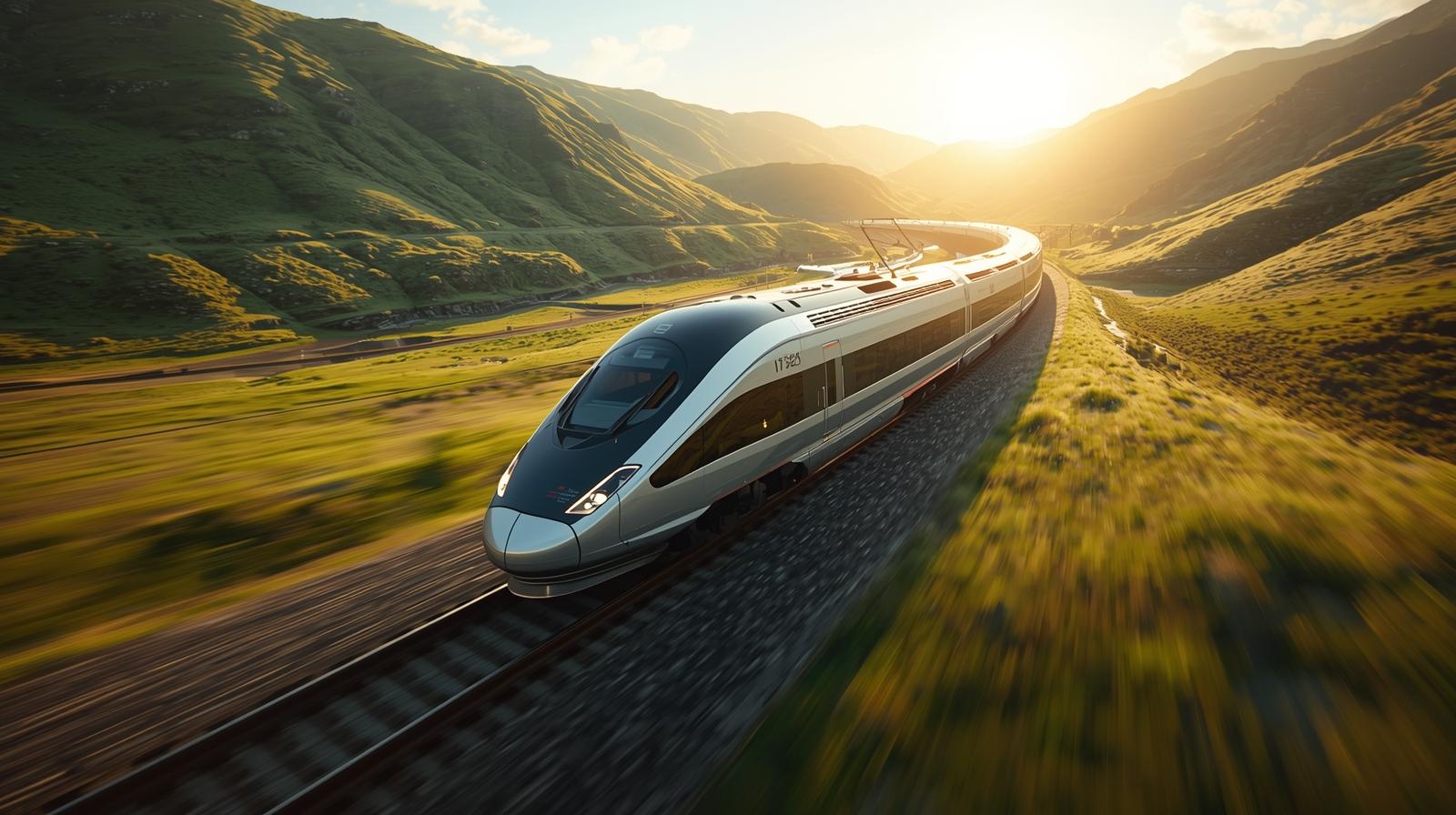
ERTMS: The nervous system of European trains
Did you know that a high-speed train crossing Europe is in constant communication with its environment? At every moment, it calculates its location, its speed, and receives safety commands from the ground.
This constant dialogue is made possible by the ERTMS (European Rail Traffic Management System), a European standard consisting of several pieces of equipment essential to train safety. From the Eurobalise antenna to the DMI and the EVC, these safety components are the heart of the train.
At MASTERIS, we support rail operators in the integration and modernization of these onboard safety systems. Here is how this high-tech system works.
The train's brain: the EVC
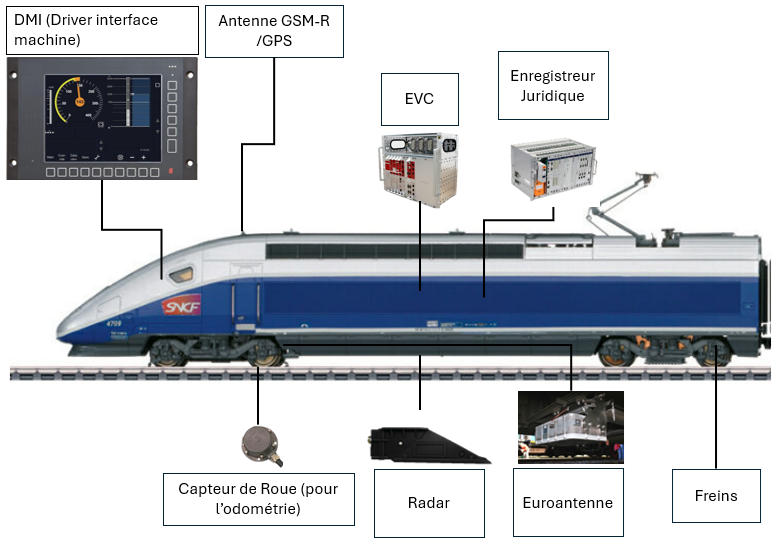
The EVC (European Vehicle Computer) is the true conductor of the system.
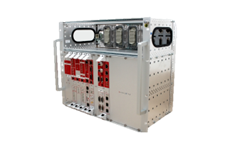
It centralizes all information—from speed sensors, ground-based balises, and data entered by the driver—to ensure safe and smooth train operation. It is thanks to the EVC that the train can anticipate risks and ensure safety, even in the most complex situations.
In the event of an anomaly or a risky situation (overspeed, passing a red signal, etc.), it is the component that triggers emergency braking.
At 320 km/h, a TGV takes nearly 4 km to come to a stop. This highlights the importance of precise position calculation and anticipation.
The link to the driver: the DMI
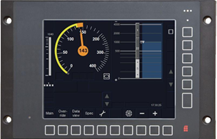
The DMI (Driver Machine Interface) is the screen that allows the driver to communicate with the train. Available information includes: train mode, current speed, alerts, and signaling information; it is the interface between the driver and the system. It also allows the driver to input specific information, such as the driver ID, train data, startup level, and more.
The train's senses: sensors and communication
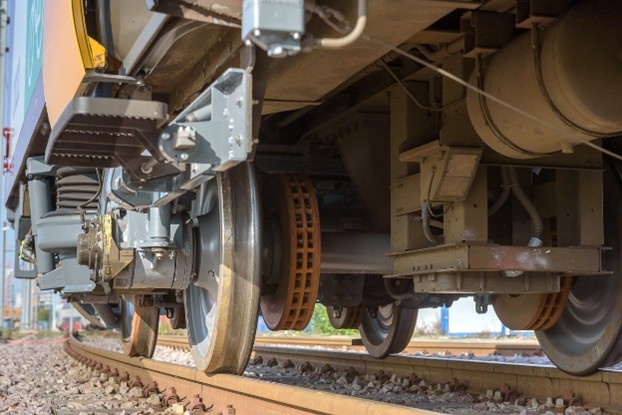
To “perceive” its environment, the train relies on several sensors:
- Odometry, radar, and inertial measurement unit (IMU): these constantly estimate the train’s position and speed.
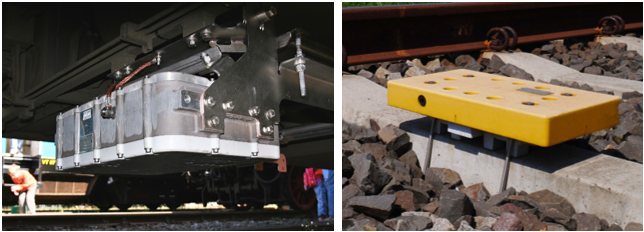
- Euroantenna: located under the train, it captures information sent by ground-based Eurobalises, which is then relayed to the EVC.
- Juridical Recorder: acting as a true “black box,” it keeps a record of all “juridical recording units” (JRU) for incident analysis and feedback.
- GSM-R: this specialized radio enables communication between the train and the control center, ensuring safe traffic operations in real time.
Why these systems are essential
All these devices work in concert to ensure safe and smooth operation, regardless of the network being used.
But beyond the technology, their integration is a key challenge: every train, every line, and every operator has its own specific requirements.
This is where MASTERIS comes in, specializing in the installation, validation, and maintenance of ERTMS systems on rolling stock.
We apply our expertise to ensure the reliability, safety, and interoperability of railway fleets.
What about the future?
The future of ERTMS is already being written:
GNSS (Global Navigation Satellite System) will allow for even more precise train tracking, optimizing track usage.
For more information on this topic: https://www.era.europa.eu/content/space-innovation-rail_en
GSM-R, the current standard for railway communication, is already being replaced by FRMCS (Future Railway Mobile Communication System).
Based on 5G technology, FRMCS will offer:
- Faster and more reliable data exchange
- Real-time monitoring of rail traffic
- Improved interoperability across Europe
For more information on this topic:
https://www.sncf-reseau.com/fr/a/frmcs-ou-radiocommunication-ferroviaire-futur
At MASTERIS, we are closely monitoring these developments to anticipate our clients' needs and support the transition to these new technologies.
Resources and news
.webp)
Your rolling stock, always on track.
Let's discuss your project together: a dedicated expert accompanies you at each stage.